
- 03 9557 0957
-
Opening Hours
- Mon - Wed: 9.00-17.00
- Thursday: 9.00 - 19.00
- Friday: 9.00-17.00
- Saturday: 8.00 - 13.00
- Sunday: Closed
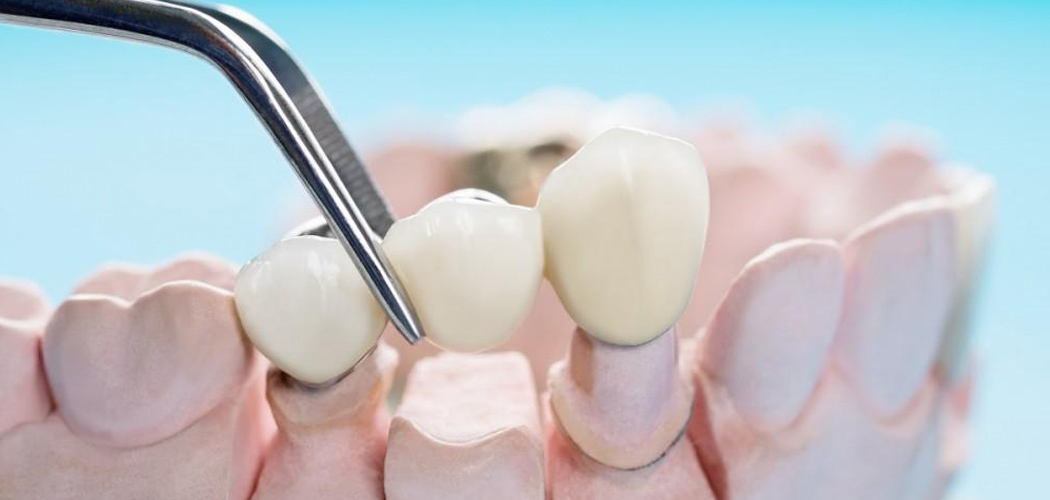
Traditional bridges are attached to the teeth on either side of the gap, which support the replacement tooth.
These teeth are prepared and fitted with crowns that help hold the bridge securely in place.
A bridge is designed to look natural, restore chewing function and help prevent neighbouring teeth from moving into the gap.
A dental bridge may be considered if:
When a tooth is lost, the surrounding teeth can gradually move into the space over time.
If the gap is left untreated, it may affect how your teeth fit together and make future replacement more complicated.
Both bridges and dental implants can be effective ways to replace a missing tooth.
When the neighbouring teeth already require crowns, or when an implant is not suitable, a bridge may be the better option.
However, if the surrounding teeth are healthy, a dental implant may be worth considering, as it does not require reshaping them.
We'll explain the advantages and limitations of each option and help you determine which approach is most appropriate for your circumstances.
Replacing a missing tooth is not only about filling the gap.
The position of the missing tooth, the condition of the surrounding teeth, your bite and your overall oral health all need to be considered.
Our aim is to recommend a solution that looks natural, functions well and supports your long-term oral health.
Book an appointment today - we'll assess your teeth, gums and bite, explain the available options and help you determine whether a bridge is the right solution for you.
Quick and easy online booking - takes less than a minute.
Modern dental bridges are designed to blend with the surrounding teeth and can provide a natural-looking result.
How long a bridge lasts depends on how well you look after your teeth, the way you bite, the health of the nearby teeth, and how you care for your mouth over time. During your visit, we will explain what you can expect.
Yes, a bridge can sometimes replace more than one missing tooth. Whether this is possible depends on how many teeth are missing, where the gap is, and how strong the supporting teeth are.
Traditional bridges need the teeth next to the gap to be shaped to hold the bridge. We will discuss if a bridge, implant, or other choice works best for you.
Yes. Dental bridges can be used to replace both front and back teeth. The most appropriate option depends on the position of the missing tooth, the condition of the neighbouring teeth and your overall oral health.