
- 03 9557 0957
-
Opening Hours
- Mon - Wed: 9.00-17.00
- Thursday: 9.00 - 19.00
- Friday: 9.00-17.00
- Saturday: 8.00 - 13.00
- Sunday: Closed
Missing teeth can make everyday things like eating, speaking, and smiling feel more difficult or uncomfortable.
Dental implants provide a long-term replacement option that looks, feels, and functions more like a natural tooth.
Whether you're missing a single tooth or multiple teeth, implant treatment can help restore both function and appearance.
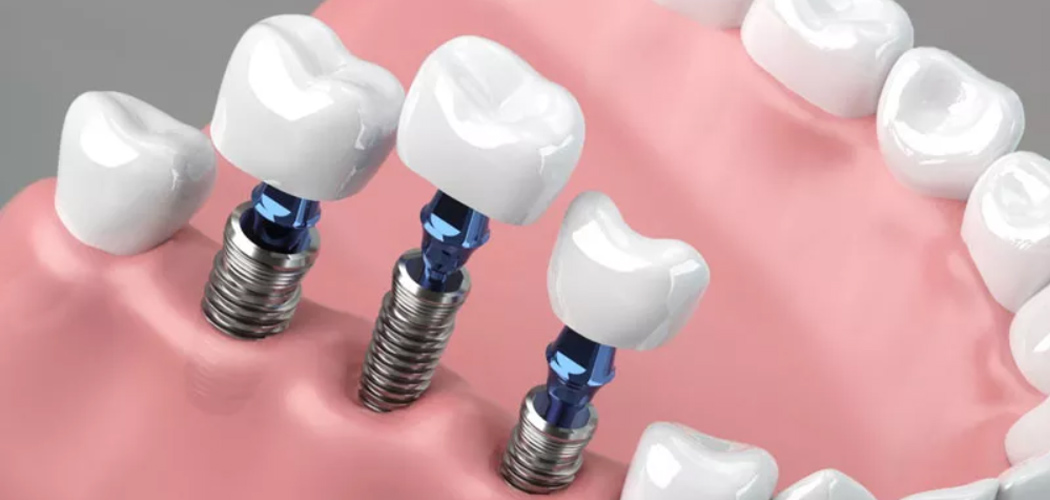
A dental implant is a small titanium post placed into the jawbone to replace the root of a missing tooth.
Once healed, the implant supports a crown, bridge, or other restoration designed to replace missing teeth and restore function.
Dental implants are commonly used to replace:
Many patients choose dental implants because they:
Dental implants may be suitable if you:
The best way to determine whether implants are right for you is through an assessment and consultation.
Quick and easy online booking - takes less than a minute.
We assess your teeth, gums, bone structure, and overall suitability for implant treatment.
Digital imaging is used to plan implant placement and discuss the next steps in treatment.
The implant is placed into the jawbone and allowed to heal and integrate with the bone.
A crown, bridge, or other restoration solution is fitted to complete the treatment.
Depending on your needs, different implant solutions may be available.
Ideal for replacing an individual missing tooth without affecting neighbouring teeth. The implant supports a custom-made crown designed to look and function like a natural tooth.
A full-arch solution for patients missing most or all of their teeth. Using strategically placed implants, a complete set of fixed teeth can often be supported with fewer implants than traditional approaches.
An advanced treatment option for patients with significant bone loss in the upper jaw. Zygomatic implants can sometimes avoid the need for extensive bone grafting procedures.
Whether you're missing a single tooth or exploring full-mouth implant solutions, we can help you understand your best choice.
Quick and easy online booking - takes less than a minute.
Dental implant treatment is performed under local anaesthetic, and most patients report less discomfort than they expected. Recovery varies depending on the complexity of treatment.
With good oral hygiene and regular dental care, dental implants can last many years and may provide a long-term solution for missing teeth.
Many people are suitable candidates for dental implants, although factors such as gum health, bone volume, and general health need to be assessed first.
Patients with reduced bone volume may still have treatment options available. In some cases, advanced procedures such as Zygomatic Dental Implants may be considered.