
Dental Hygiene: The Foundation of Your Health

Ensuring oral health is more than just having a bright smile; it's about safeguarding your overall well-being. At New Millennium Dental, we believe that good oral hygiene is essential for a healthy life.

The Impact of Poor Oral Hygiene

Neglecting your oral health can lead to various issues, including tooth decay, gum disease, and even severe chronic conditions like cardiovascular disease and cancer.

The primary culprit behind these problems is plaque, a sticky film of bacteria that forms on your teeth. If not removed regularly, plaque hardens into tartar, which can only be eliminated through professional cleaning.
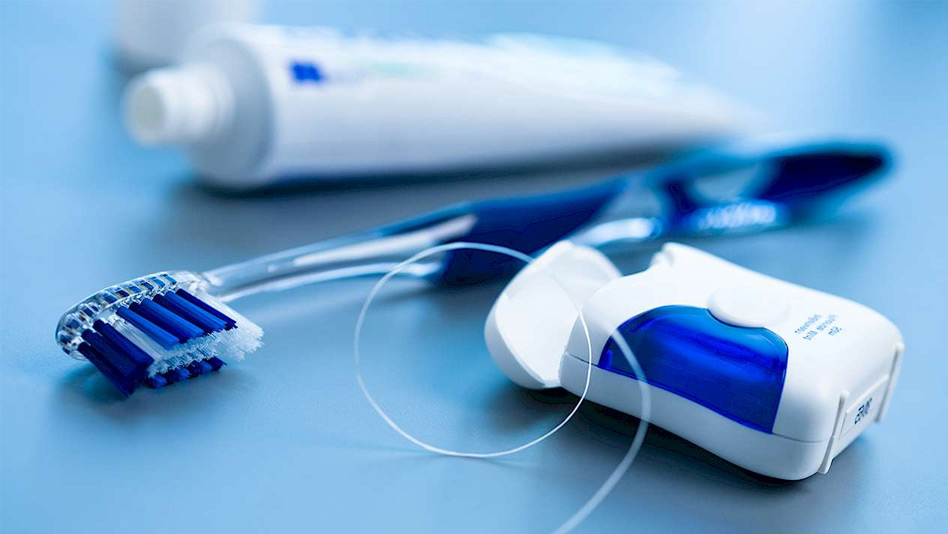
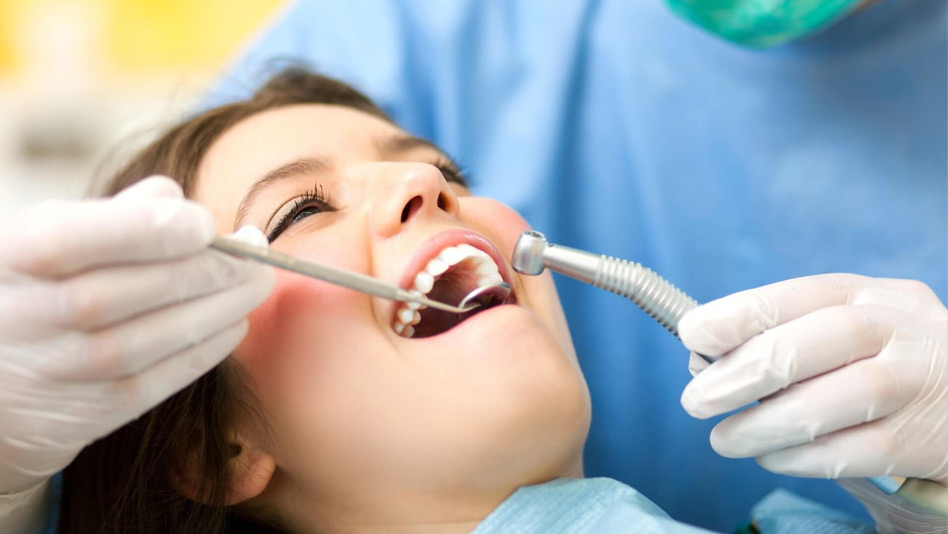
Oral Hygiene @ New Millennium Dental

Hygiene Therapy by Qualified Dental Hygienists

Personalised Hygiene Plans for Every Age

We understand that each patient is unique, so we tailor our hygiene protocols to suit your specific needs. Whether it's for you or your child, we'll create a personalised home hygiene plan to help you maintain optimal oral health between visits.

Your Path to Better Oral Health Starts Here

Don't wait until dental issues emerge. Schedule a hygiene appointment or call 03 9557 0957 to prevent gum disease and maintain good oral health.

Frequently Asked Questions

Can I see a dental hygienist without seeing a dentist?

In most cases, you can see a dental hygienist without seeing a dentist first. Dental hygienists are licensed oral health professionals who specialise in preventive dental care.

However, at New Millennium Dental, we require an initial consultation with a dentist before scheduling a hygiene appointment, especially if it's your first visit to the clinic.

What's the difference between a dentist and a dental hygienist?

Dentists and dental hygienists play different roles in oral health care. Dentists are responsible for diagnosing and treating dental issues like cavities, gum disease, and other oral conditions. They can also perform procedures like fillings, crowns, and extractions.

Dental hygienists, on the other hand, focus on preventive care, such as cleaning teeth, removing plaque and tartar, and educating patients about good oral hygiene practices. They work closely with dentists to help patients maintain optimal oral health.

How often should I visit a dental hygienist?

The frequency of your visits may depend on your individual needs. We recommend 6-monthly hygiene visits for most adults, whilst patients with more advanced forms of gum (periodontal) disease require professional assessment and cleaning at 3-monthly intervals.

What treatments are typically performed during a dental hygiene appointment?

Dental hygienists perform a range of treatments, including professional cleaning (scaling and polishing), fluoride treatments, and providing education on oral hygiene practices.

Can a dental hygienist provide teeth whitening services?

While dental hygienists focus primarily on preventive care and maintenance of oral health, some may also offer teeth whitening services. However, it's best to consult your dentist to determine the most suitable treatment.